
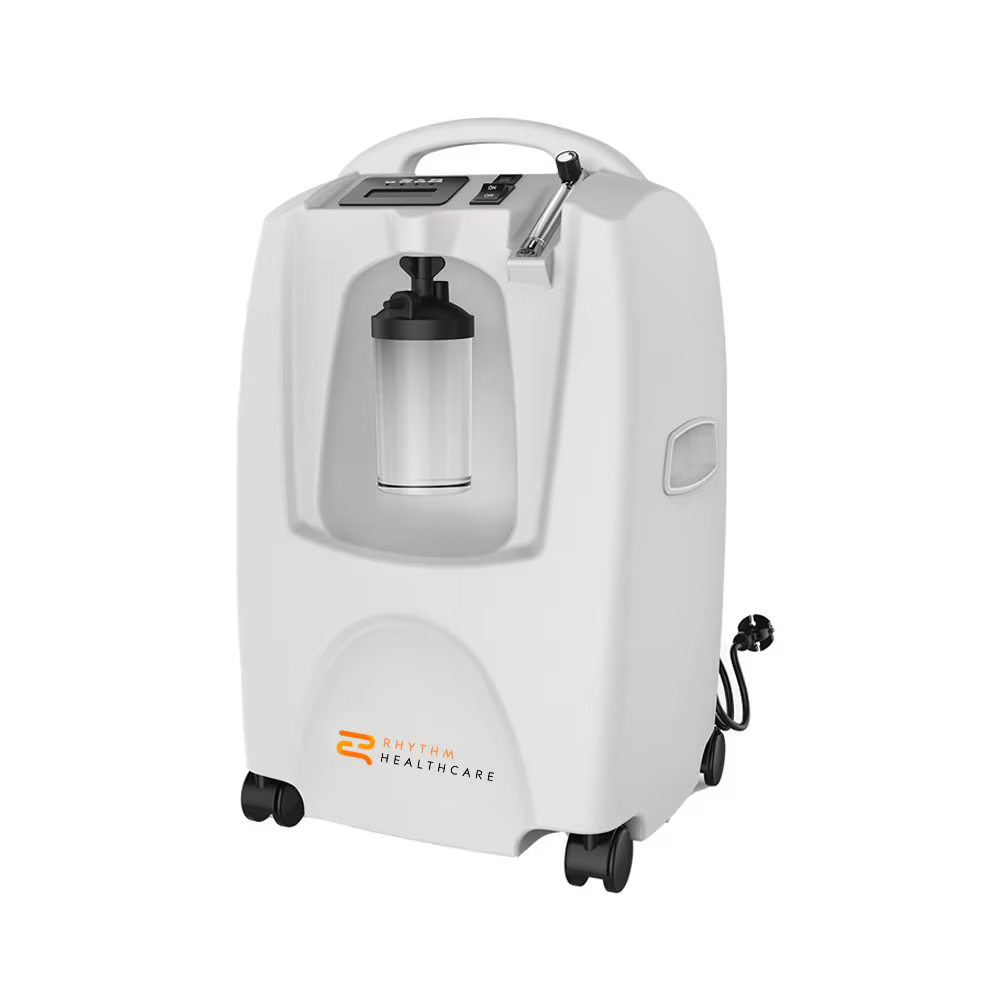
Oxygen concentrators are a staple in long-term care and home health settings, delivering a reliable supply of supplemental oxygen to patients who depend on it daily. Like any piece of medical equipment, they require consistent upkeep to perform safely and effectively. Here are four common issues we see in the field — and what your team can do to prevent them.
1. Filter Neglect and Improper Installation
One of the most frequent issues we encounter is filters that haven't been cleaned on schedule — or have been installed backwards or are missing entirely. Some users also attempt to wash disposable filters, which damages them and reduces airflow.
What to do: Clean or replace filters according to the manufacturer's recommended schedule. Always check for directional arrows on the filter housing and ensure the filter is seated properly before operating the unit.
Prevention: Mark filters with directional arrows if they aren't already labeled. Post a clear replacement schedule near the equipment, and verify filter condition during every routine PM inspection.
2. Electrical Safety Issues
Oxygen concentrators draw significant power, and we commonly see them connected to inadequate extension cords, overloaded power strips, or ungrounded outlets. These conditions can cause overheating, tripped breakers, or damage to the unit's compressor.
What to do: Use a proper gauge extension cord rated for the concentrator's power draw. Connect the unit to a dedicated circuit and ensure the outlet is properly grounded.
Prevention: Educate staff and users on the concentrator's power requirements. Verify proper grounding and circuit capacity during electrical safety inspections.
3. Poor Ventilation and Placement
Concentrators generate heat during operation and require adequate airflow around the cabinet. Units placed too close to walls, furniture, or curtains can overheat and trigger thermal shutdowns. We also see items stacked on top of units or placed directly over intake and exhaust vents.
What to do: Relocate the unit to ensure adequate clearance on all sides — most manufacturers recommend at least 12 inches from walls and furniture. Remove any obstructions from intake and exhaust ports.
Prevention: Document environmental conditions during service visits and provide users with clear minimum clearance guidelines. A quick visual check during each PM visit can catch placement issues before they cause problems.
4. Flow Rate and Tubing Problems
Users sometimes adjust flow rates beyond the prescribed level or continue operating the unit despite active alarms. Loose or kinked oxygen tubing is another common culprit behind delivery issues.
What to do: Reset the flow rate to the prescribed level. Address all active alarms before continuing operation. Inspect tubing connections for leaks and check for kinks or obstructions along the full length of the line.
Prevention: Provide clear user education materials on proper operation and alarm response. Establish a communication channel so users can report issues before they escalate into equipment failures.
When to Call Zoetek Medical
If your concentrator is triggering repeated alarms, overheating despite proper placement, or failing to deliver the prescribed flow rate, contact Zoetek Medical at (800) 388-6223. Our factory-trained technicians can diagnose and resolve concentrator issues on-site, and a preventative maintenance program can catch most of these problems before they impact patient care.